 TeddyChinese
Chinese Food Vocabulary: How to Order Like a Local
Chinese food vocabulary with pinyin: staples, meat, drinks and flavors, plus phrases to order, ask for no spice, mention allergies and pay the bill.
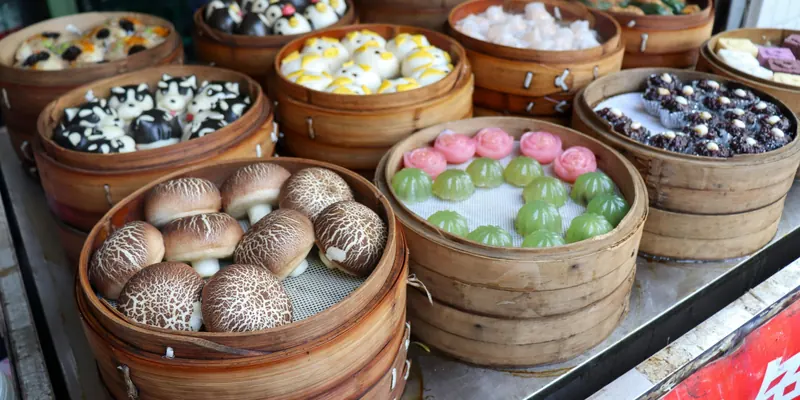
Chinese food vocabulary is the fastest way to use your Chinese in real life. These words and phrases, with pinyin, will help you read a menu, order, ask for no spice and talk about what you like.
Chinese staple foods: rice, noodles and dumplings
- 米饭 (mǐfàn): cooked rice
- 面条 (miàntiáo): noodles
- 饺子 (jiǎozi): dumplings
- 包子 (bāozi): filled steamed buns
- 馒头 (mántou): plain steamed bread
- 炒饭 (chǎofàn): fried rice
- 粥 (zhōu): congee, rice porridge
- 汤 (tāng): soup
Meat, fish and eggs in Chinese
- 鸡肉 (jīròu): chicken
- 猪肉 (zhūròu): pork
- 牛肉 (niúròu): beef
- 鱼 (yú): fish
- 虾 (xiā): shrimp
- 鸡蛋 (jīdàn): egg
- 豆腐 (dòufu): tofu
Vegetables and fruit in Chinese
- 蔬菜 (shūcài): vegetables
- 土豆 (tǔdòu): potato
- 西红柿 (xīhóngshì): tomato
- 白菜 (báicài): Chinese cabbage
- 水果 (shuǐguǒ): fruit
- 苹果 (píngguǒ): apple
Drinks in Chinese
- 水 (shuǐ): water
- 茶 (chá): tea
- 咖啡 (kāfēi): coffee
- 牛奶 (niúnǎi): milk
- 豆浆 (dòujiāng): soy milk
- 啤酒 (píjiǔ): beer
- 果汁 (guǒzhī): juice
Flavors in Chinese: spicy, sweet, salty
- 辣 (là): spicy
- 甜 (tián): sweet
- 咸 (xián): salty
- 酸 (suān): sour
- 苦 (kǔ): bitter
- 清淡 (qīngdàn): light, not heavily seasoned
How to order food in Chinese
- 菜单 (càidān): menu
- 服务员 (fúwùyuán): waiter, waitress; also how you call for service
- 我要这个。 (wǒ yào zhège.): I would like this one.
- 来一份炒饭。 (lái yí fèn chǎofàn.): one fried rice, please.
- 不要辣。 (búyào là.): no spice, please.
- 少放盐。 (shǎo fàng yán.): less salt, please.
- 打包。 (dǎbāo.): to go, please.
- 买单。 (mǎidān.): the bill, please.
How to say you are allergic in Chinese
If you have a food allergy, say it clearly and show it in writing: 我对花生过敏 (wǒ duì huāshēng guòmǐn), "I am allergic to peanuts." Also ask whether a dish contains it, since sauces and oils can hide ingredients.
Measure words for food
- 碗 (wǎn): bowl, as in 一碗面 (yì wǎn miàn)
- 杯 (bēi): cup, glass
- 瓶 (píng): bottle
- 份 (fèn): portion
Read more about these in Chinese measure words.
A little etiquette
Do not stick chopsticks upright in a bowl of rice, since it resembles incense offerings for the dead. Sharing dishes is normal, and the host usually orders for the table. A friendly phrase before eating is 慢慢吃 (mànmàn chī): take your time and enjoy.
Frequently asked questions
How do you order food in Chinese?
Point to a dish and say 我要这个 (wǒ yào zhège), meaning I would like this one. Or name the dish with 来一份… (lái yí fèn…), meaning one portion of…
How do you say no spicy in Chinese?
Say 不要辣 (búyào là). If you want less seasoning, say 少放盐 (shǎo fàng yán) for less salt.
How do you ask for the bill in Chinese?
Say 买单 (mǎidān) or 结账 (jiézhàng) to the waiter. In many restaurants you can also pay at the counter.
How do you say rice in Chinese?
Cooked rice is 米饭 (mǐfàn), and uncooked rice is 大米 (dàmǐ). Fried rice is 炒饭 (chǎofàn).
Read a short graded story with pinyin, audio and tap-to-define words.
Open the LibraryStory previews at your level
Each link opens a short preview of the story. From there, open it in the Library for the full text with pinyin, English and audio.